 In the midst of this Labor Day weekend, I was reminded of a piece I wrote for my church’s newsletter last year after a trip to St. Louis and thought I’d share it here.
Normally my Labor Day weekends are pretty non-eventful and I use the extra day to catch up on rest, reading or household projects. But this past Labor Day weekend busted that mold. I travelled to St. Louis, MO to attend the Leadership Development and Resource Weekend. LDR, as it’s commonly known, was started by a group of African-American students in conjunction with mentors at New City Fellowship in Chattanooga, TN, a church of the PCA. The gathering has grown over the years into a multi-cultural representation of PCA members and friends to consider ways in which the church can address areas of disparities.
This year’s theme of the conference was Orthodox Activism: the Church in Pursuit of Social Justice. Dr. Sean Michael Lucas, crafter of the resolution on civil rights that was presented at the 43rd General Assembly, gave the first plenary address and what rousing presentation. Dr. Lucas examined the doctrine of the spirituality of the church as cited in our WCF 31.5 calling for the church, “not to meddle with civil affairs . . . unless by way of humble petition, in cases extraordinary.” Throughout the history of American Presbyterianism, the doctrine of spirituality had been used selectively as the basis for uninvolvment in matters of social affairs, most notably civil rights. However, Dr. Lucas pointed out that the doctrine had been inconsistently applied and exhorted the hearers to consider ways in which the church should rightfully engage in matters of social justice for the cause of the gospel.
The weekend drew to a close with an apropos visit to one of St. Louis’ oldest Presbyterian churches that had great significance for the work of the church. Memorial Presbyterian Church, as it is now named, was established in 1868 as a gospel experiment that began a few years prior, in 1864. While the Civil War was headed to a close, some Confederate and Union soldiers wanted to test the biblical call for unification of the body of Christ comprised of radically diverse people without any preference to race or political sympathies. Imagine that! At a time when a war was fought in large part over the outcome of it’s black citizens, most of whom did not even share equal citizenship, racial and political lines were set aside for the sake of the gospel. Continue reading
 There’s been a lot of talk about race in the church of late, the need to talk about it, the need for reconciliation, the need to get gatherings to talk about it so that we can be reconciled, the need to point out racial disparities, the need for white people to understand their privilege, the need to keep talking about it, and do something.
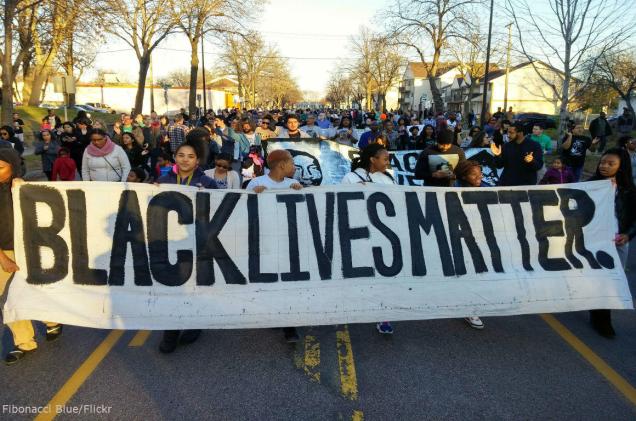 I actually started drafting this post some time ago, like a few months ago. When I first started the draft, it was a really tough post for me to write because it involves some issues that are near and dear to me. And tough because it involves people with whom I am united in the bonds of Christ and with whom I find myself increasingly coming into stark disagreement. It’s tough because I know these thoughts, which have been stewing for some time, might cast me and Christians who think like me, in a negative light.
 I don’t usually write on issues of race and for good reason: it tends to garner heated debate, polarized perspectives and people talking past one another. In “post-racial” America, its tough to talk about issues of oppression and injustice because of all the progress Blacks have made in this country. After all, slavery ended 150 years ago, Jim Crow is over, the “Whites Only” signs have been removed, schools are integrated, and Blacks have risen to prominent stations in society.
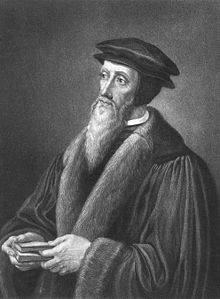 Yesterday, John Frame’s page on Facebook posted this question;
 TheoThoughts