 The past few days, I’ve watched the internet ablaze over this statement on social justice and the gospel. I read the statement and largely agree with many of the points and had trouble with others. My overall take, as I read through it was it seemed to set up a dichotomy where one was either for the gospel or for social justice as if orthodox believers can’t be involved in matters of social justice and still hold to biblical Christianity as historically articulated.
In his response to the statement, Joel McDurmon has expressed my concerns well;
In the name of a “closer examination” of the issues, the document not only offers no real “examination,” but precludes any future discussion on aspects central to the topic. It brings unnecessary division, demagoguing, grandstanding, pigeonholing, and fearmongering—all while neglecting any defined or substantial discussion of some of the actual points of disagreement or denial.
This document is not about issues, even though it uses pointed buzzwords. It is about power and alignment—tribalism. In the name of standing firm for Gospel truth, it works to solidify one group of believers against another group by demonizing the other with broad, undefined labels. The result is something like the following sentiment: “social justice” (undefined) is evil, and either you agree with us (sign the document), or you are dangerous to the church.
The aspect about power is a hefty charge that I’m not sure about. But I wholeheartedly concur that underneath the nebulous buzzwords lies a dividing stake that says either you are with us and for Christ or against us and against him. I’m pretty sure the crafters of this statement were sincere about upholding Christian orthodoxy and wanting to take a stand on factors that, at least in their mind, worked against it. But the the premise of the concern rests in an area in which there is a spectrum of beliefs that all do not work against the church. Continue reading
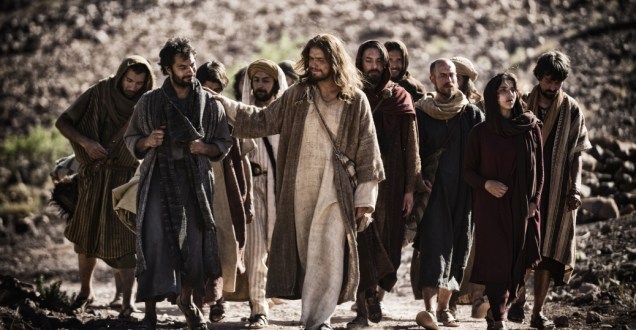 I’m currently going through the book of Matthew and paused at this passage;
 For the past week or so, I’ve watched the internet ablaze over a special gathering of women of color sponsored by Legacy at the TGCW18 conference. (see their write up
  My intention in doing this series was to post one segment at least once a month. I’ve let more time lapse since the last segment so I thought it would be good to get back to it. A crucial aspect of this series is seeing how God moved on behalf of his creation starting in Genesis to have a snapshot of what the entirety of the Bible is about. Therefore, in order to consider the cohesive story of the 66 books of Scripture, it is imperative to consider the overview
  Occasionally, I come across an article stating reasons to either choose a church or make a decision to leave a church. The recommendations typically look something like this. Don’t leave for selfish reasons. Find a church that honors Christ, teaches the Bible and takes fellowship seriously. All that is well and good.
 TheoThoughts