 I came across this wonderful article yesterday that spoke of the consequences of marrying the wrong kind of person. It can have a harmful impact on the marriage, emotional and even physical health. Even dating the wrong people can have this impact. Trust me, I know. Pretty much everything on the list resonated with me.
I think articles like the one I posted are good. But one thing I’ve noticed, is that its always addressed to young, never been married people who most likely had stability growing up and ability to make wise choices. But sometimes, stuff happens in life that distorts the colander, creating ill responses and bad choices. When you’re young and full of romantic dreams, you don’t realize how life events can really impact you. This is especially true for those who have experienced loss and brokenness at a young age. You can go through life and respond to buttons that create all kinds of compromise. That was my story.
I’ve been widowed since 2004, but I have a long history of relationship errors and choosing unwisely. From time to time, I reflect on an area in my life that I consider a thorn, especially since I long one day to finally get it right. Actually, it finds a way to prick me, especially when I least expect it. I spent many, many years in a cloud repeating mistakes and wondering why I remained unloved. In fact, one of the most challenging aspects of my seminary experience was an excavation process that exposed the root causes of those choices (along with a couple of relationship flops). It’s been quite painful especially being in a context where love and marriage blossom.
Running away from bad news is difficult for women with low self worth and esteem. When women don’t understand their worth, the compromising soon follows. The red flags that are slapping them in the face are nothing more than mere tickles that can be ignored. I suppose this happens to men also, but I do see it more prevalent in women. Continue reading
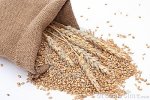 The idea is that our Christian life is about sowing seed to reap a harvest. So financial giving then becomes the indicator of our faith to make this happen. An entire theology and numerous ministries have been built on this one verse. If you don’t believe me, do a Google search. Now the promoters of seedtime harvest ministries will say that it’s biblical. But it is an egregious distortion of the Biblical text and the Christian faith.
 I know that sounds strange. When we think of criticism, we think of something negative and destructive. But being critical does not necessarily have to be a negative thing. Judging something critically involves an intense analysis of what is being presented and measuring it against an objective criteria. Now that can be done in an unloving manner. The blogosphere and numerous pulpits demonstrate show no end of unloving and vicious criticism.
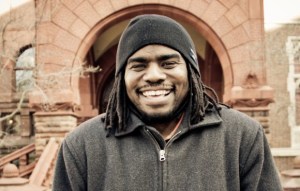 Well, this is kind of a cap off post from this week’s activities and final thoughts on Shai Linne’s Fal$e Teacher$. If you don’t know about it, Shai is a Christian hip hop artist who is unashamedly Reformed. He blasted what has been labeled prosperity teaching (though there is actually a mix of positions represented) in this single cut from his album, which was released April 9, 2013. I wrote a couple of articles over at Parchment and Pen here.
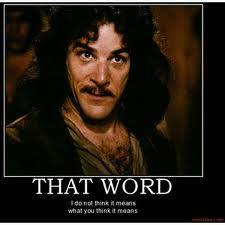 I think there is some confusion running loose with respect to the concept of the priesthood of the believer. The term was coined by the Reformers to distinguish the direct access believers have to Christ vs. their access to through clergy. This of course was in repudiation to the papists who claimed that they alone provided access contrary to Hebrews 4:14. Through this direct access, we serve as ministers of the gospel (2 Corinthians 5:18) and minister to one another (Colossians 3:15-16).
 TheoThoughts