 As a follow up to my last post, I wanted to bring the subject of The War Room closer to home. Again, in full disclosure I have not seen the film but I have heard a common thread in those that have seen, including the two reviews I posted in my last piece. Most notably, the takeaway from the film is that if you just pray hard enough God will do it.
Please allow me to get a little personal. Not that my story in no way can be a measuring stick but I think it can be instructive concerning this simplified formula in the context of God’s work in his creation. I also share this story because I know I’m not alone and I suspect this will resonate with a good number of Christians.
First know that I’m not sharing for this the sake of bashing a movie or releasing emotional diarrhea but the sake of examining how we consider prayer. For most of the 7 years I was in a troubled, unequally yoked marriage that was peppered with chronic illness and unkindness, I prayed. Oh how I prayed. I prayed that God would save my husband and soften his heart. I prayed that God would heal him and make our marriage whole. I turned my living room into a ‘war room’ and being more aligned with charismatic teaching at that time, would storm the gates, as I called it. The situation didn’t budge.
One day in 2004, I stopped dead in my tracks, or rather, I believe I was stopped dead in my tracks because the Lord gripped my heart. I was tired. I was disappointed. But most of all, I was intent on having things my way. My roar of anticipated triumph turned into a whisper of surrender – “not my will, but yours Lord.” I so desperately wanted him to give me that shiny object of a good marriage that I had prayed for. But alas, his will was something different. It was not long after that in that same year that my husband’s health rapidly declined and he passed away that August just shy of my son’s 7th birthday. Continue reading
 Imagine that you are enjoying a delicious ice cream cone on a hot summer day. There’s something soothing about the frigid, creaminess that alleviates the scorch of the sun. Now imagine that someone comes and tells you everything that’s wrong with the deliciousness that you are enjoying or even goes so far as to knock that cone of goodness out of your hand. If you are like me, you would not take very kindly to that gesture, especially for something that was giving you such relief and comfort. You would feel violated in a way.
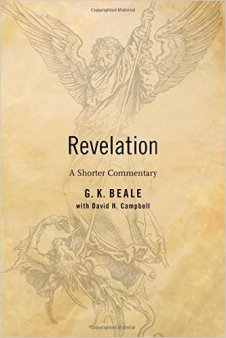 I just received this commentary in the mail having ordered it about a week ago. I normally wouldn’t write a post about how excited I am about my latest book purchase. But this one is a bit special because it fits with the particularly trajectory I’ve been on regarding how I understand the 66 books of the Bible fit together in terms of God’s outworking of his redemptive history.
 I came across the term “post-modern pietism” in a twitter exchange regarding this article from Stephen Altrogge,
  Recently, I’ve been a bit unsettled over some observations. I’ve heard a few different stories, all revolving around seminary graduates. There were the stories of newly installed pastors, who after going through a rigorous “calling” process involving strenuous scrutiny, presented themselves and their beliefs as something different than in that process. Then there’s the pastor who proclaimed heresy in front of the congregation despite earning top grades in seminary on that same topic. And I see with an uncomfortable frequency, espousal of ideas that veer towards syncretism of Christianity and some contradictory worldview (like new age ideas) or endorsement of teachers who do the same.
 TheoThoughts