I’ve been pondering this past Sunday’s sermon on Luke 10:38-42, Mary and Martha
Now as they went on their way, Jesus entered a village. And a woman named Martha welcomed him into her house. And she had a sister called Mary, who sat at the Lord’s feet and listened to his teaching. But Martha was distracted with much serving. And she went up to him and said, ‘Lord, do you not care that my sister has left me to serve alone? Tell her then to help me.’ But the Lord answered her, ‘Martha, Martha, you are anxious and troubled about many things, but one thing is necessary. Mary has chosen the good portion, which will not be taken away from her.
 While I have heard sermons on this passage dozens and dozens of times, I’ve not quite heard the inextricable link of sitting at Jesus’ feet and believing God’s word. I had typically heard the sermon on this passage in the context of prayer, worship, “being still,” etc vs. the busyness of doing. But in consideration of the redemptive narrative of Scripture, making Jesus the priority is more than the activities we engage in but the orientation of our hearts, which starts and ends on the surety of Scripture – what God has actually said. Considering that Scripture testifies to the incarnate Word, this connection made perfect sense to me.
The other day I came across a blog post with yet another progressively oriented Christian proudly patting herself on the back that she had moved away from the doctrine of inspiration. She was so pleased with herself having resolved the mystery of God’s breathed out word through human authors. They were, after all, merely human and probably got a lot of things wrong, she reasoned. It was ok to no longer wrangle over the unpleasant parts of Scripture because it’s too stressful to handle the tension of believing this is what God says and does when confronted with all the inconsistencies the mind cannot fathom. How many people claiming to sit at Jesus feet have said this? Continue reading
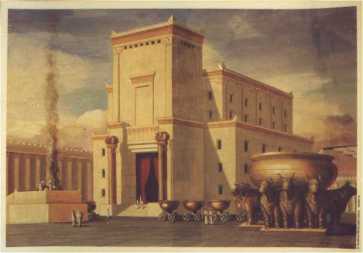 I can’t harp enough on how important it is to understand the relationship of the Old Testament to the New Testament. When we don’t make proper connections, this impacts how we understand the events of the Old Testament apply to us. In a way, I suppose this post is a follow up to
 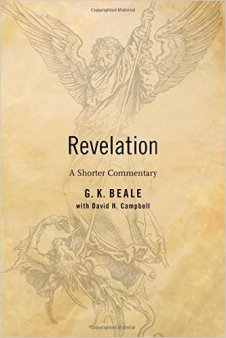 I just received this commentary in the mail having ordered it about a week ago. I normally wouldn’t write a post about how excited I am about my latest book purchase. But this one is a bit special because it fits with the particularly trajectory I’ve been on regarding how I understand the 66 books of the Bible fit together in terms of God’s outworking of his redemptive history.
 I came across the term “post-modern pietism” in a twitter exchange regarding this article from Stephen Altrogge,
  TheoThoughts