 As we Christians celebrate the bodily resurrection of our Lord, we loudly proclaim that he is risen. Now through much of my Christian life, I tended to translate that into merely a spiritual enterprise. Meaning, the resurrection signifies the forgiveness of sins and reconciliation to the Father, baptism into the kingdom of God and union with Christ. It is that transaction that raises us to new life in Christ (see Romans 6:5-11).
Over time, I’ve come to recognize how this frame of thinking circumvents the significance of Jesus’ bodily resurrection. For his resurrection not only points back to God’s intention in creation but also brings the future of that intention into the present. In other words, it’s not enough for us to reduce the resurrection to merely a spiritual enterprise, that we are now part of God’s adopted family but there is a broader framework in which this reconciliation happens related to God’s restoration of what he intended. It’s why Paul emphasizes our bodily resurrection in 1 Cor 15, to which Christ’s resurrection is a first fruit. Death is an enemy because it is antithetical to creation. The entrance of sin and death unleashed such cosmic wreckage that the whole of the Bible’s story explains God’s plan and action to redeem his creation from that cursed grip.
In that regard, here’s a connection to the resurrection and faith I found quite interesting and insightful. I’ve been reading through this incredible book by Michael D. Williams, professor at Covenant Seminary. Far as the Curse is Found: the Covenant Story of Redemption is essentially a biblical theology of God’s historical-redemptive narrative from Genesis to Revelation, or in other words, “the biblical story of God’s unfolding covenant relationship with his people.” I absolutely love that he starts the book off with The Resurrection: the Single Best Page of the Story to show that the whole story of redemption is anchored in and centered on the work and person of Christ according to what God intended from the beginning.
The writer of Hebrews writes, “Now faith is the substance of things hoped for, the evidence of things not seen.” (Heb. 11:1). How does this relate to the resurrection? Continue reading
 In what has been one of the most bizarre, sleaziest election season, it goes without saying that the choice for Bible adhering, gospel-centered Christians has been quite challenging. Typically motivated by issues of life and religious freedom, it makes perfect sense to me that there is a natural compatibility of Christians towards conservatism and are either fully entrenched in the GOP or as independents, like myself, lean right and want to uphold these values. We who naturally gravitate towards the GOP naturally want to ensure that one who supports our values will occupy the highest seat of the nation. Not that the executive branch acts alone (why we have a checks and balance system), but there is a certain orientation towards issues that we typically expect.
 I’m not really a task oriented person and shun the standard listicles of how you can have a better life. Our world today gravitates towards simplified pragmatism for improvement and living a Christian life is no exception.
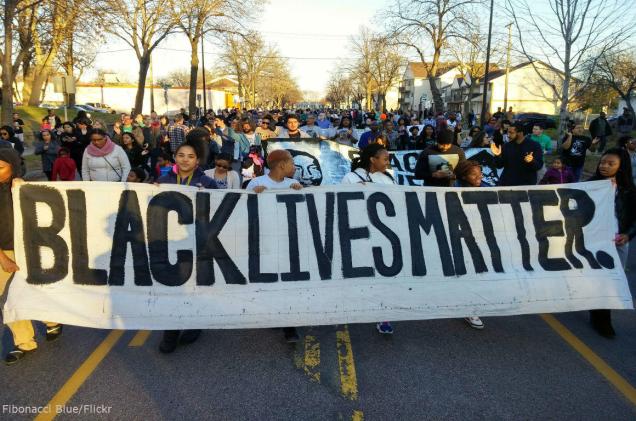 I actually started drafting this post some time ago, like a few months ago. When I first started the draft, it was a really tough post for me to write because it involves some issues that are near and dear to me. And tough because it involves people with whom I am united in the bonds of Christ and with whom I find myself increasingly coming into stark disagreement. It’s tough because I know these thoughts, which have been stewing for some time, might cast me and Christians who think like me, in a negative light.
 Well, I’ll get to the point. The other day, Dr. Russell Moore penned this piece in the New York Times,
  TheoThoughts