 There is an impetus today to reject color-blindness and the reasons are quite valid. If someone says, “I don’t see color” or worse, “God doesn’t see color” rebuke is the natural impulse since God himself created a beautiful array of shades. So when we look at our brothers and sisters in Christ and the broader world, we should see this sovereign creativity at work that lends to the picture in Rev. 7:9-a conglomeration of people from every tribe, tongue and nation the Lord calls to himself.
But there exist an even deeper concern to reject it. Color-blindness has typically meant that the concerns of non-white people are diminished or dismissed. Because in reality there has been an racial and ethnic primacy at work in the church, and particularly the American church, for a long time. That is when a person is considered first because of their skin color and second by their Christian status. One would have to have their head buried in the sand or be in complete and utter denial to not recognize this is precisely what happened with black and brown people in America. To distorted minds, the melanin determined the human value, casting those with darker shades into a dehumanizing existence. Even worse, that such views were egregiously supported by myopic renderings of Scripture and harsh development of theories like curse of Ham and that relegated melanin richness to an inferior and sub-human status.
In this reality, we see the ways in which melanin richness has met with inconsistent and disparate treatment and the church was not exempt. Consequently, segregated enclaves became a harbor of spiritual comfort. So it naturally concerns many today, particularly people of color, that persistent marginalization occurs and there is a natural rejection towards the concept of color-blindness because of it. No, we don’t want to deny or dismiss these concerns of partiality that have plagued, not only in the larger society, but particularly the church for so long.
Black and brown Christians feel this angst, particularly being in spaces where they are acutely aware of being the minority. It’s natural to walk into a predominantly white church or other white spaces and see white people first. Prejudicial attitudes exist to varying degrees among some white Christians where the presence of minorities create a heightened sense of dread because they first see a minority first. The temptation to evaluate the other first on the basis of skin tone remains. Skin tone is just a manifestation of a deeper cultural crisis, historic infractions and sinful inclinations. Where black and brown people have been rejected in various forms from consideration of church life, where prejudicial attitudes have and do exist among white Christians, we are tempted to filter another’s presence first through this reality, and then second as Christians. Continue reading
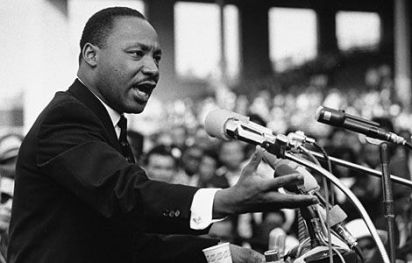 Thanks to the memory section on Facebook, an article written by Dr. Anthony Bradley popped up from two years that I shared titled
  As I wrote about in
  There’s been a lot of talk about race in the church of late, the need to talk about it, the need for reconciliation, the need to get gatherings to talk about it so that we can be reconciled, the need to point out racial disparities, the need for white people to understand their privilege, the need to keep talking about it, and do something.
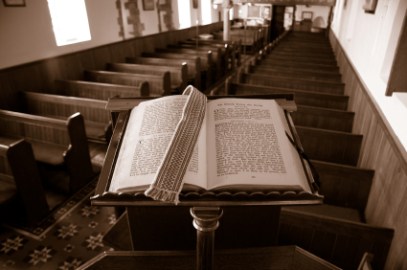 One of the essays in my application to Dallas Theological Seminary required that I respond to the question of how I knew I was called into ministry. While I understood that question to be more related to affirming events that led me to apply to seminary, I find that the idea of being called into ministry has not only been a popular catch phrase but also bears some examination. I say this because I believe the call to ministry has been designated as a special call to select individuals based on God’s selection for specific ministry roles. I do believe that has some merit as I indicate below, but I think it might be different than what is commonly thought of as a call.
 TheoThoughts