 Last year around this time, the statement on Social Justice and the Gospel came out and set off a firestorm. I remember that day like it was yesterday. I was sitting in a breakfast joint in Hartford, CT just hours away from my flight back to Dallas. As I scrolled through the statement, I found myself nodding a lot. But the more I nodded, the more I also grimmaced. As I wrote about in The Problem is Not About Social Justice, I saw pretty clearly the set up of the statement–you were either for Christ (and the framers of the statement) or against Christ. There was no middle ground. I suspected that the statement would have the effect of reinforcing camps that would devolve into tribalistic disputes. People would be accused, and sometimes unjustly, of aligning with a pro- or anti- social justice camp with just the utterance of a few statements. I suspected the result of the statement would spawn more feuds than fruit, even though there were many good points in it. That’s what happens when you set up that kind of dichotomy.
Unfortunately, this is precisely what I’ve seen play out over the past year. Even my own orthodoxy has been called into question because I won’t lock step with anti-social justice advocates in repudiating wholesale social justice even though I have issues with it depending on what you mean by “social justice.” But when you lump the term into a nebulous definition (that can have a range of meaning) and slap a “social gospel” or “anti-gospel” label on it without digging into the weeds to separate the wheat from the chaff, that’s what you’re going to get.
As I stated a year ago, I can appreciate the concern of the framers. They felt something was at stake and the gospel needed to be preserved. After all, the church has seen its fair share of opposition to orthodoxy and councils and such were formed to contend for the faith that was handed down ala Jude 3. Continue reading
 A couple of years ago, I penned a piece,
 The past few days, I’ve watched the internet ablaze over this statement on social justice and the gospel. I read the statement and largely agree with many of the points and had trouble with others. My overall take, as I read through it was it seemed to set up a dichotomy where one was either for the gospel or for social justice as if orthodox believers can’t be involved in matters of social justice and still hold to biblical Christianity as historically articulated.
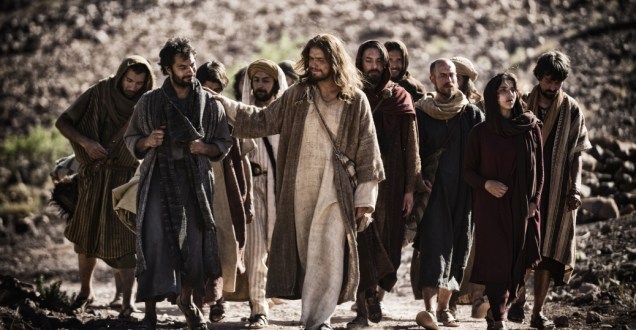 I’m currently going through the book of Matthew and paused at this passage;
 Occasionally, I come across an article stating reasons to either choose a church or make a decision to leave a church. The recommendations typically look something like this. Don’t leave for selfish reasons. Find a church that honors Christ, teaches the Bible and takes fellowship seriously. All that is well and good.
 TheoThoughts