
The internet has been abuzz the last few days over the Nashville Statement, delivered from a joint conference between the Center for Biblical Manhood and Womanhood and the Ethics and Religious Liberty Commission. The statement succinctly lays out a case for the sexual ethics expressed in Scripture and believed by the church since the dawn of it’s inception.
Given the contemporary mood regarding sexual identity and orientation, it’s no surprise that vitriol against the statement has splattered all over the internet in repudiation of what the statement expresses. No surprise either from those in the progressive camp that claim both Christianity and endorsement of homosexuality and transgenderism (as if the two can co-exist), a renouncement with the claim that the statement does harm to the LGBTQ community. What’s a bit more surprising is the pushback from those who for the most part affirm what the statement endorses but quibble with the impact it will have for ministering to those who claim this identity. There are other reasons cited but for the purpose of this post, I’m honing in on this particular line of reasoning.
In other words, a common thread I’ve seen from both the progressive camp and the ones who affirm the statement but have reservations is this: it will hurt the feelings of those with this identity. Put another way, being sensitive to the concerns of those who feel themselves oriented in certain directions is a pastoral concern at least, and in more unfortunate cases, a license to release people from feeling bludgeoned over their particular orientations. They should be free to live without condemnation.
Now, I get that we do need to be cognizant of struggles of same-sex attraction and gender dysphoria. As Christians committed to the sexual ethics and gender identity sourced in God’s creative mandate, we do want to take a firm stand of what the church has rightfully recognized but at the same time be compassionate towards those who find contradictory tendencies within themselves when they are confronted with this reality. We don’t want to be insensitive jerks and lack compassion towards those who have to reconcile inordinate affections with what Scripture commands. I surely understand the need for pastoral care and tending towards those who at least want to do the right thing but struggle. Continue reading
 There is an impetus today to reject color-blindness and the reasons are quite valid. If someone says, “I don’t see color” or worse, “God doesn’t see color” rebuke is the natural impulse since God himself created a beautiful array of shades. So when we look at our brothers and sisters in Christ and the broader world, we should see this sovereign creativity at work that lends to the picture in Rev. 7:9-a conglomeration of people from every tribe, tongue and nation the Lord calls to himself.
 Recently, I penned a post,
  I’ve been pecking away little by little on a follow up to my last post,
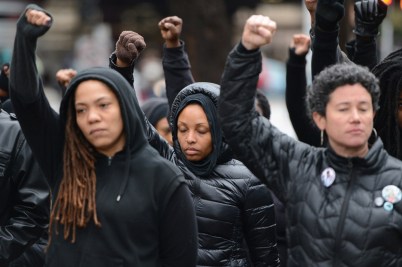
  Yes, you heard that right, my white church. Why not just the church? In fact, I bet the title alone will set up some keen anticipation for me to address everything that’s wrong with the white church and how it’s whiteness is harming people of color, how silent the white church is on issues of social justice and generally are wielding it’s power of white supremacy against the health of the church. Sure, there will be some that will roll their eyes, shake their heads and wonder why people keep being divisive with race labels and such. But I’ll get to you later.
 TheoThoughts