 Let’s face it. We live in a narcissistic, selfie-absorbed culture. It’s all about me – my thoughts, my dreams, my fulfillment, etc. However, Christians operate under a different paradigm. We are not our own; we’ve been brought with a price. I confess that whenever I see someone who claims Christianity also adopt an “I love me” attitude, I question if they really understand what Christianity is all about.
But then I consider Jesus greatest command, to love the Lord with all your heart, soul, and mind and love your neighbor as yourself. (Matt 22:37-39)
Hmmm, love your neighbor as yourself.
In the book The Kingdom of God, a compilation of essays on various aspects of the kingdom of God, Dr. Anthony Bradley, associate professor of Christian ethics and theology at Kings College, offers a good perspective in his essay “The Kindgom Today.” He states,
To ‘love your neighbor as yourself’ demands that we love ourselves well. To love oneself well is to do what is necessary to sustain one’s life and to fulfill one’s responsibility to preserve one’s human dignity, holiness, chastity, property, and reputation and to bring glory to God the Creator.
While this may seem like a narcissistic self-love kind of thing, Bradley puts this love in perspective. Well ordered love flows from God and should be the parameter by which Christians consider what it means to truly love. It is only through the lens of how God has loved us that we can love well, as John states, “we love him because he first loved us.” (1 John 4:19). This affects the application of God’s kingdom work now in which we humans serve as the instrument. Continue reading
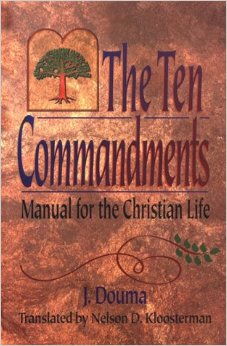 I’ve been reading through this excellent book that was recommended to me by a friend in a conversation in which I described my change of heart about the Ten Commandments. Yes, I confess, for many years I did not believe that the Ten Commandment applied to Christians since Jesus fulfilled the law. I shudder at that thought now since the Decalogue, aka the Ten Commandments, represents God’s ethical requirements for his people. Surely God does not have a different standard in the OT than in the NT, but brought to their fullness in Christ. Jesus demonstrated that this was summed up in the greatest command: to love the Lord with your heart, soul and mind and love neighbor as yourself. More of that, and my conversion to see this light, in a separate post.
 After hearing a sermon on the Great Commission this past Sunday, it reminded me of these quotes from two books I’m reading and reinforced that being a witness does not require us to be super Christians, with big capes like we have it all together. You ever feel like you don’t measure up to be an effective witness for Christ, loving God and neighbor as you should? Well neither did the first disciples. And they were with Jesus!
 Here is a question I’ve been pondering recently – how much should the church focus on special interests? And by special interests, I mean forming groups, Bible studies, etc to address questions, concerns and general life principles around specific life situations. This could ministry focused on singles, marrieds, men, women, teen, etc.
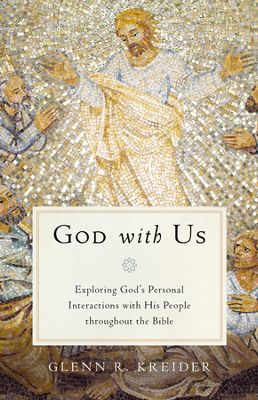 My seminary professor, thesis advisor and friend has written a compelling book, recently released in time for this Advent season. In God With Us: Exploring God’s Personal Interactions with His People throughout the Bible, Dr. Kreider traces the biblical story of God’s intentional interaction with this creation through his self-revelation that demonstrates his care, concern and particularly outreach to those who seem the most unlikely to be recipients of his blessings. I plan on doing a full review of the book both on this sites and others I contribute to. But for the time being I thought it appropriate to highlight how this theme comes through in chapter 6, “The Everlasting Incarnation of the Eternal Son” that recounts the story of Jesus’ birth and is quite the timely read for the Advent season.
 TheoThoughts